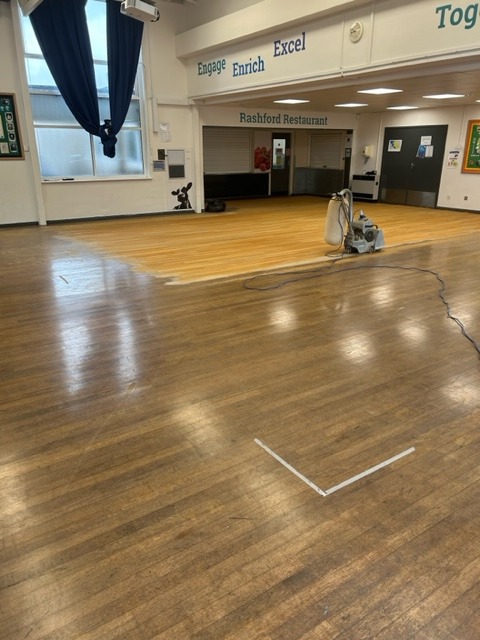
Restaurant Floor Sanding Done Right—Fast Turnarounds, Lasting Shine
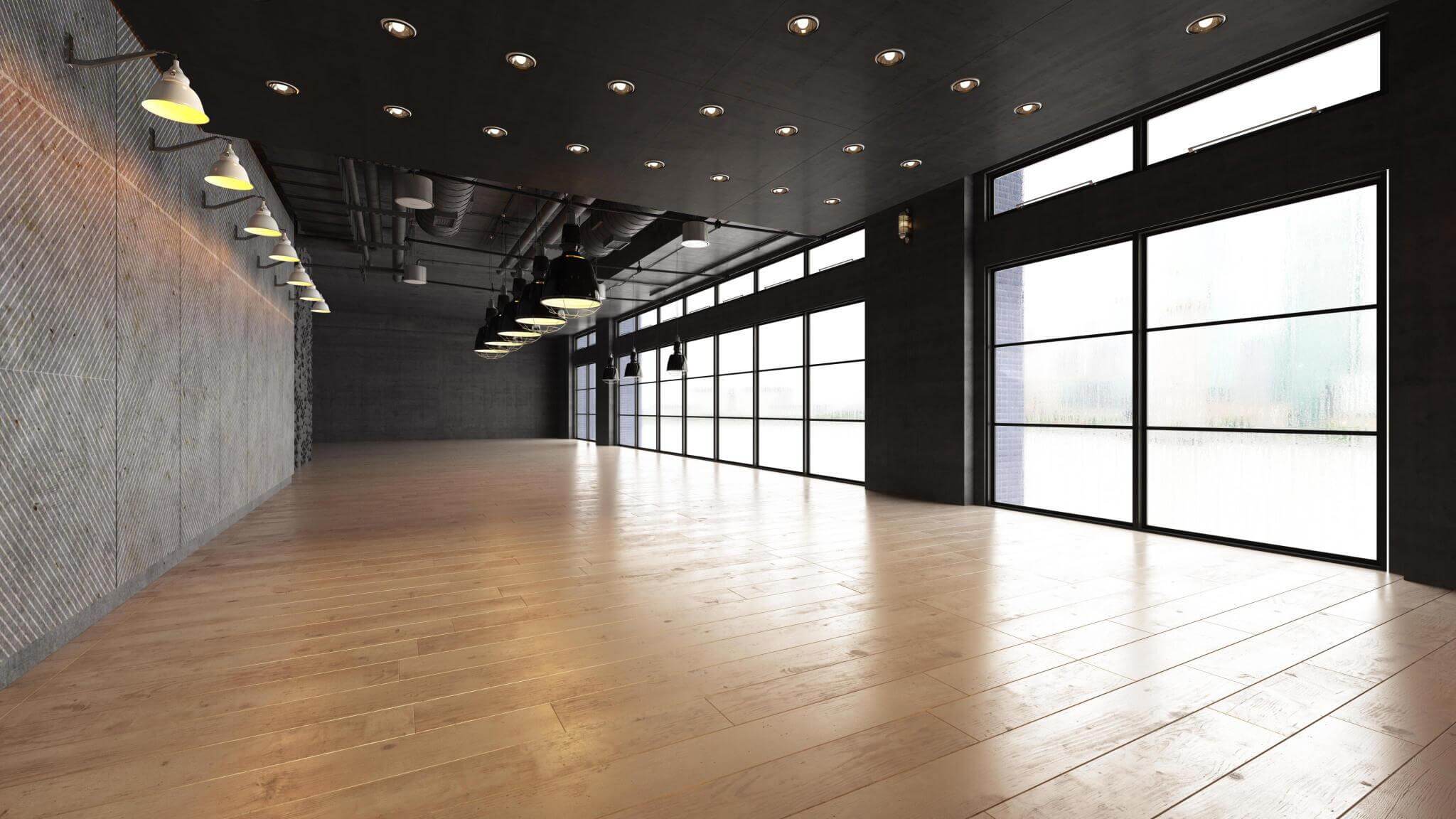
Great restaurants are theatres of the senses. Guests notice the warmth of the welcome, the glow of the lighting, the rhythm of service—and, often subconsciously, the floor beneath their feet. Timber underfoot frames the entire dining experience: it guides movement, anchors acoustics, and signals care. If it’s dull, scratched or patchy, the room feels tired no matter how exquisite the menu. If it’s crisp, even and beautifully finished, everything else feels elevated. That’s why many successful venues treat floor care as stagecraft, not housekeeping. With Restaurant Floor Sanding, you refresh the canvas your brand performs on every single service, and you do it with finesse that guests can feel before they can name it.
Why your floor is your loudest maître d’
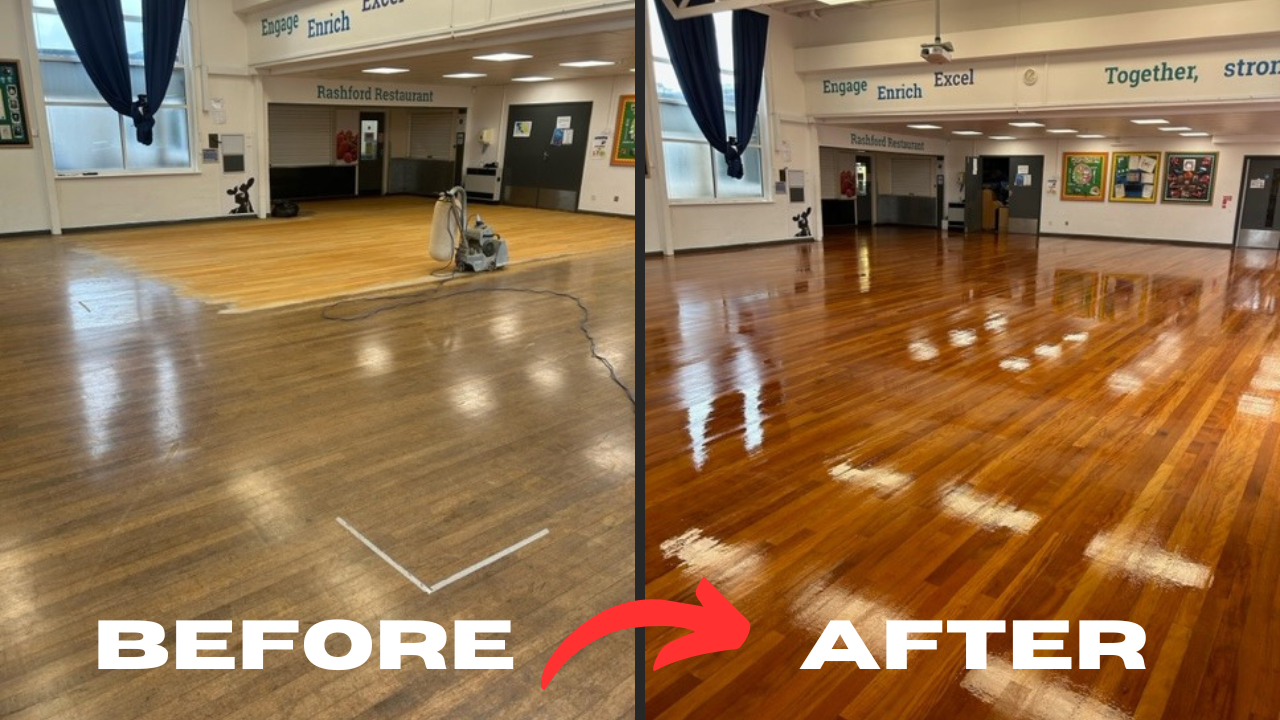
Before a word is spoken, a floor tells a story. Natural timber—be it oak, ash, beech or reclaimed pine—communicates warmth and authenticity. But heavy footfall, chair scuffs, trolleys, food spills and cleaning chemicals all play rough. Over time, protective layers wear thin, dirt lodges in micro-scratches, and the tone of the room slowly flattens.
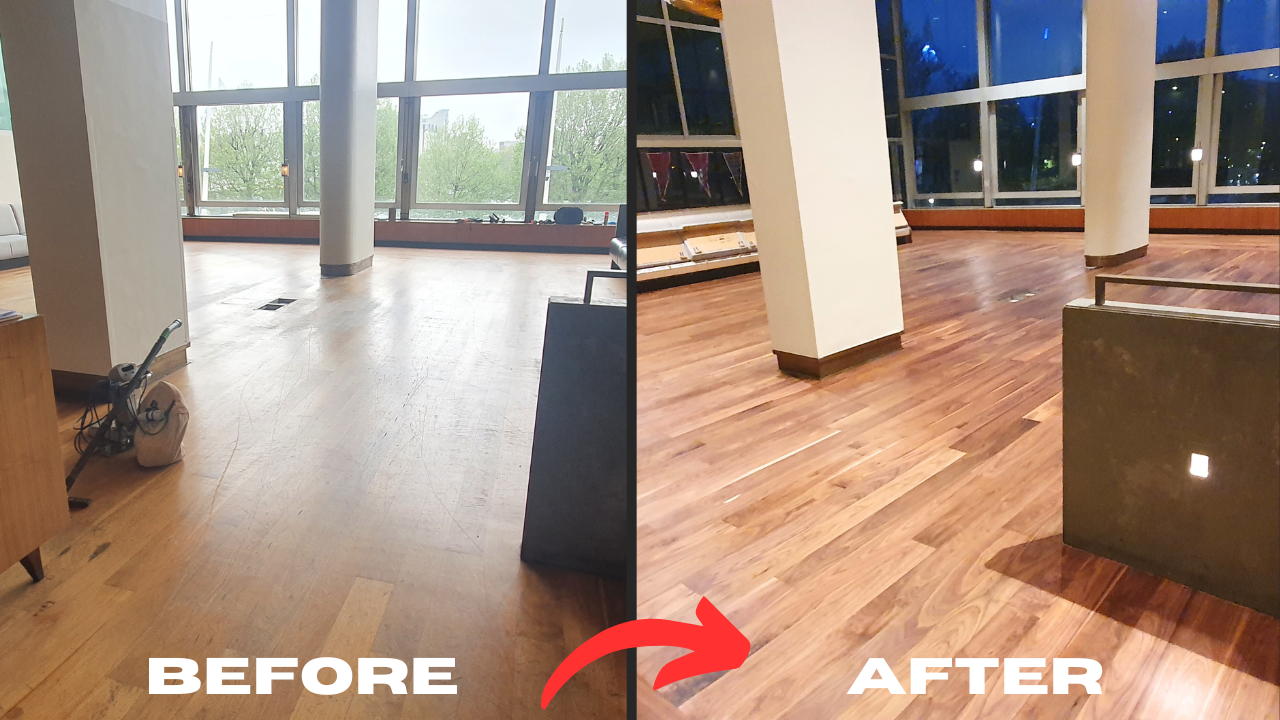
A renewed surface does more than look clean. It reflects light more evenly, making dishes pop and the room feel brighter without pumping up the lux levels. It quietens harsh echoes, so conversations sound intimate rather than shouty. Crucially, it signals “we care” in a way gloss paint never can. Guests translate that care into trust: if you’re diligent with the floor, you’re diligent with food safety, ingredients, and timing. That’s hospitality psychology in action.
What professional sanding really achieves
Think of sanding as a precision reset. It removes tired finishes and surface damage, flattens high spots, and prepares the timber to bond with a new protective system. Done well, you gain:
- Visual clarity: scratches and greyed traffic lanes disappear, grain reappears, and colour evens out.
- Hygiene gains: smooth surfaces harbour less grime, making daily cleaning more effective and faster.
- Durability: modern lacquers, hardwax oils and hybrids resist abrasion, heat, and food acids far better than older systems.
Most importantly, sanding restores consistency—the quiet luxury of a floor that looks the same on a Monday lunch as it does on a Saturday double-turn.
Edges: where the magic—and the scrutiny—happens
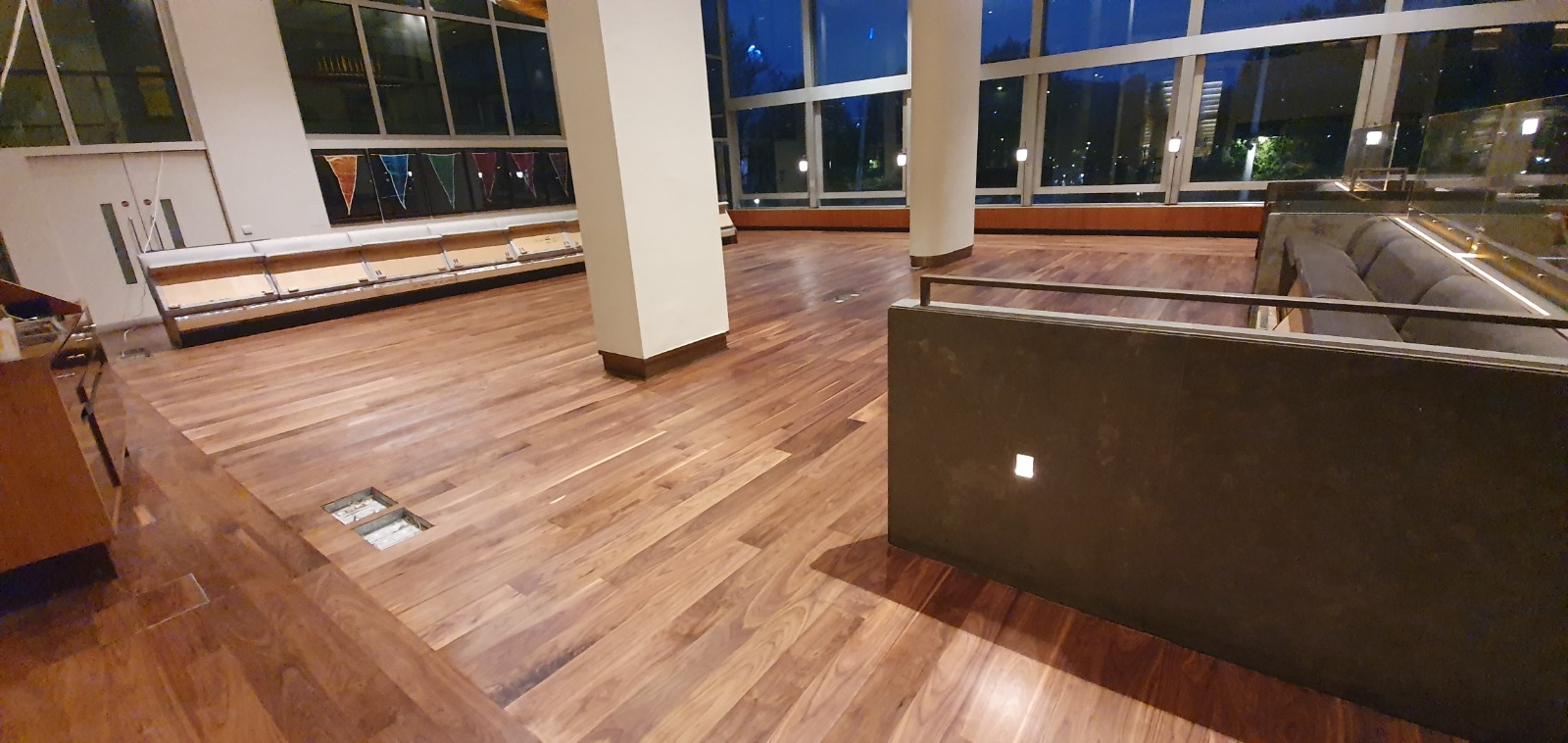
Regulars rarely notice the middle of a busy dining room, but they do clock corners, bar aprons and skirtings while waiting to be seated. That’s where crumbs collect, moisture lingers and scrapes add up. True Restaurant Floor Sanding is judged at the perimeter: crisp lines, no swirl marks, and transitions that feel deliberate. Edge work demands specialist machines, steady hands and patience. When the edge is immaculate, the whole room reads “finished”.
The process, step by step
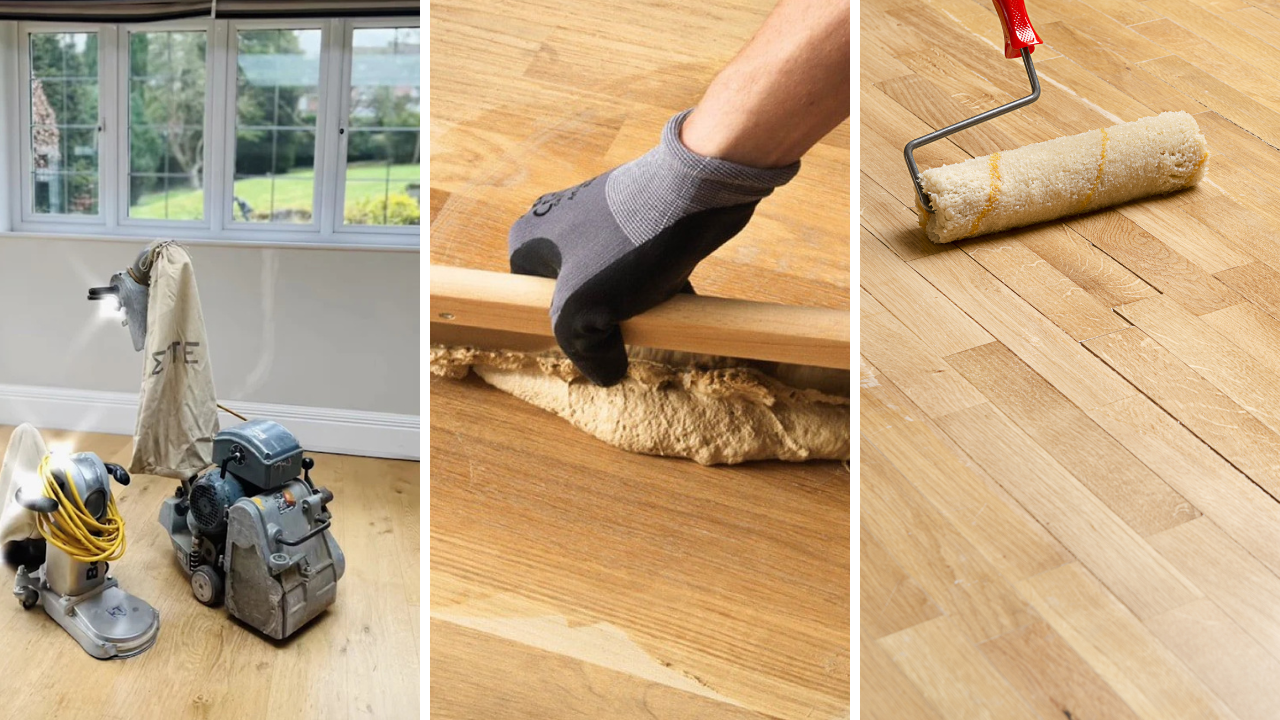
A premium Restaurant Floor Sanding programme follows a disciplined sequence designed to minimise disruption and maximise result:
- Pre-site survey & scheduling
A walk-through maps timber species, previous finishes, repairs, thresholds and kitchen interfaces. You’ll plan around service times—often overnight, early morning, or on dark days—to avoid lost covers. - Protection & containment
Chef’s pass, bar, refrigeration, banquettes and front-of-house fixtures are protected. Modern dust-extraction keeps airborne particles to a minimum; vents and doorways are sealed to safeguard kitchen and cellars. - Repairs & preparation
Loose boards are re-fixed. Damaged planks are replaced with compatible timber. Movement gaps are assessed for flexible fillers; wider voids are spliced. Transition strips at tiles, stone and stairs are planned for level, safe joins. - Coarse to fine sanding sequence
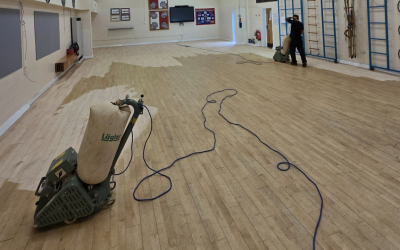
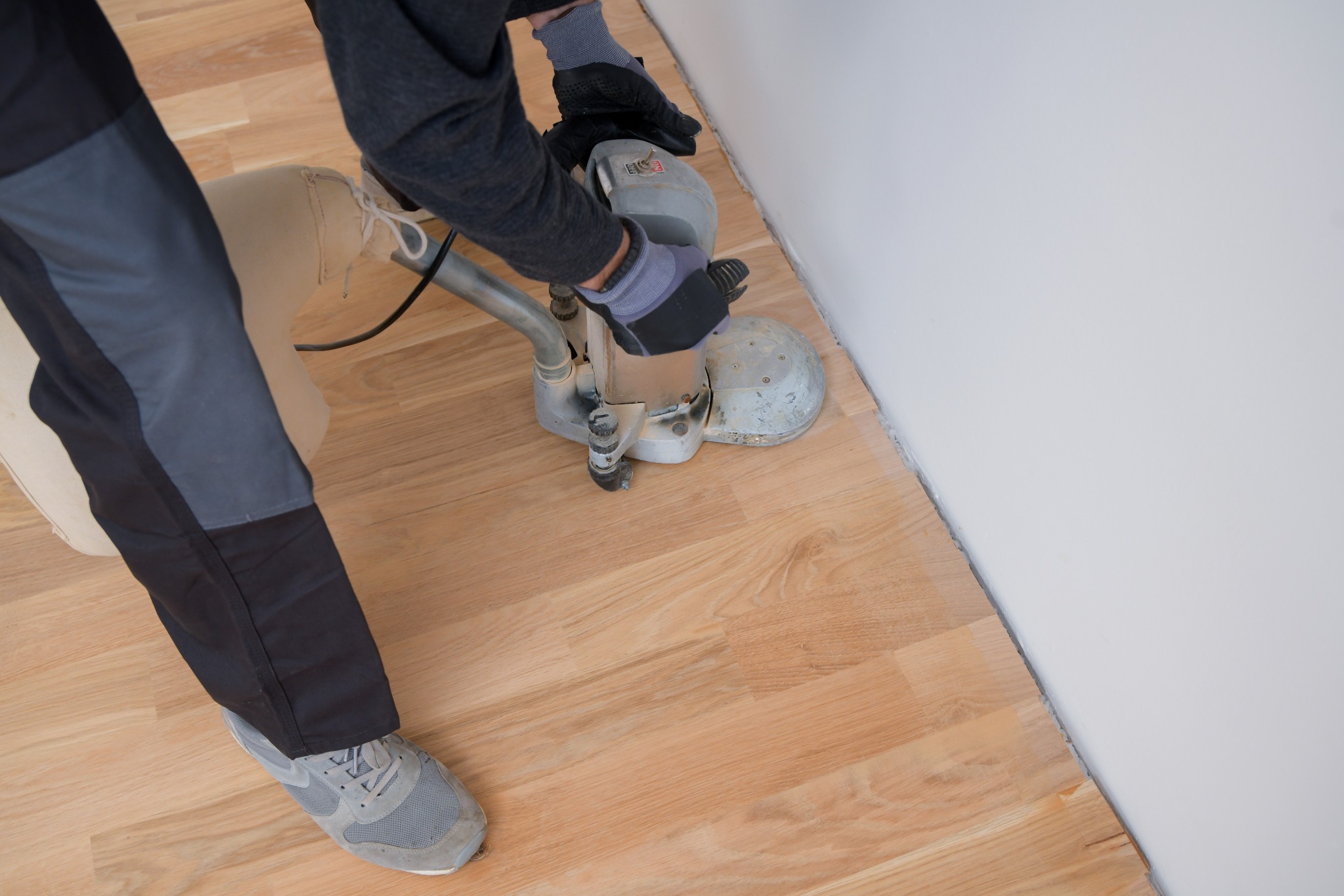
Professional crews step through graded abrasives to flatten, then refine. Drum or belt sanders address the main field; planetary or multi-disc machines refine flats; specialist edgers and corner tools attend to margins and under-bar toes. The goal: a uniform scratch pattern ready for finishing. - Detailing & dust removal
Between grits, meticulous vacuuming prevents stray particles creating nibs. The surface is tacked off before finishing. - Colour & toning (optional)
If you’re rebranding or aiming for better light control, stains and reactive treatments can shift the timber’s mood—from Scandinavian pale to espresso-dark. Test patches confirm how it reads under your actual lighting. - Finish application
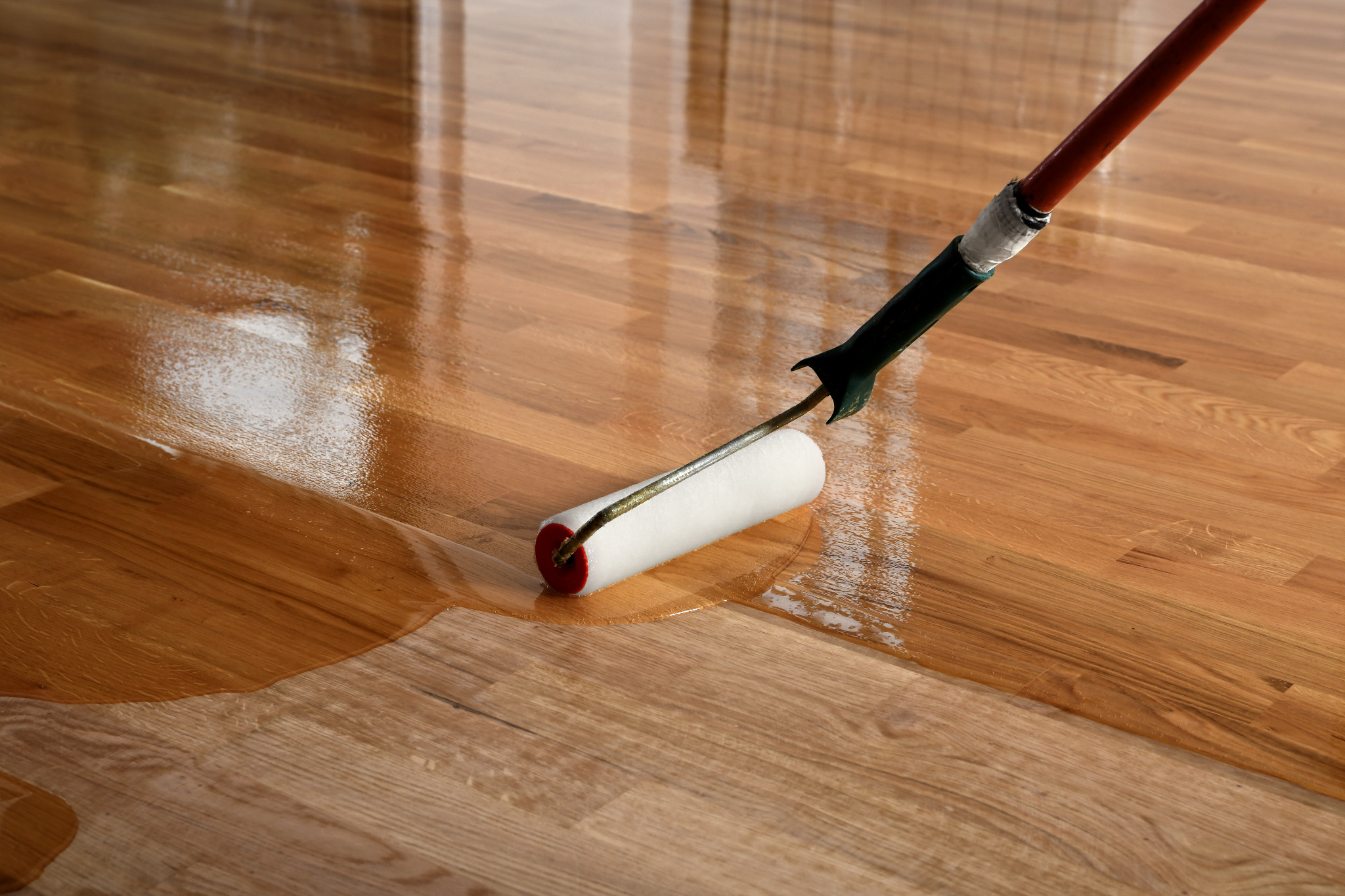
- Commercial lacquers (waterborne, catalysed or hybrid) deliver high abrasion resistance and fast turnaround.
- Hardwax oils yield a warm, natural feel and spot-repair flexibility.
- Two-system approaches—a sealer for tone/absorption, then wear coats for protection—are common in hospitality.
- Cure & handover
Once touch-dry, the floor is protected for light foot traffic, with full cure typically within days. Clear aftercare guidance prevents early damage from chairs, delivery dollies and aggressive mops.
Choosing finishes for hospitality life
Your finish is a business decision as much as a design choice. Consider:
- Traffic intensity & patterns: Bar queues and pass pick-up points suffer more abrasion—specify extra coats or a tougher top coat there.
- Sheen level: Matt hides scuffs; satin offers a gentle glow; gloss is dramatic but unforgiving. Most dining rooms thrive on low to mid sheen for sophistication and practicality.
- Repair strategy: If you want to “blend and mend” between deep refurbishments, a system that allows localised patching without haloing (often oils or certain hybrids) is useful.
- Chemical resistance: Wine, citrus, vinegars, sanitisers and hot spills are hard on finishes—commercial-grade systems are essential.
- Sustainability & indoor air quality: Low-VOC products and rapid cure reduce downtime and odour—better for staff and guests.
A good contractor will bring samples and do on-floor test areas so you can see under your actual LEDs and daylight.
Design thinking: colour, sheen and zoning
Flooring can gently choreograph behaviour. Slightly darker tones around the bar make glassware and foam stand out; lighter tones in the dining area lift plating photography; a subtle change of sheen can imply “queue here” without a single sign. Timber can also harmonise disparate elements—brick, velvet, brass, foliage—into a coherent whole.
If you want a refreshed identity without new furniture, colour-toning the timber is one of the highest-ROI moves you can make. Combine this with chair socks or felt glides selected to match the finish’s slip profile, and you’ll enjoy both performance and quiet elegance.
Operational practicalities: zero-fuss delivery
Great hospitality teams hate surprises. A well-run sanding project minimises disruption by:
- Working with your rota: Short, sharp overnight phases or a single longer closure, depending on cure windows.
- Protecting sensitive zones: Kitchen thresholds, cellar hatches and fire exits are maintained and signed.
- Communicating cure times clearly: “When can chairs go down?” and “When can we mop?” are answered with product-specific guidance.
- Coordinating trades: If you’re repainting skirtings or resetting the bar, sequencing avoids rework.
- Safety & compliance: Clear COSHH info, odour-minimised products, correct signage and slip-testing where relevant.
The outcome is a fresh floor with no drama and no contamination risk—a quiet reset guests simply read as “new energy”.
Maintenance that keeps the lustre
Sanding and finishing set the stage; daily care keeps the show running. Restaurant Floor Sanding is half the story—the other half is a simple, consistent housekeeping routine:
- Mats that matter: High-quality entrance mats trap grit before it acts like sandpaper. Replace or launder frequently.
- Chair glides, not guesses: Fit felt or PTFE feet suitable for your finish. Inspect monthly; missing pads cause expensive wear lanes.
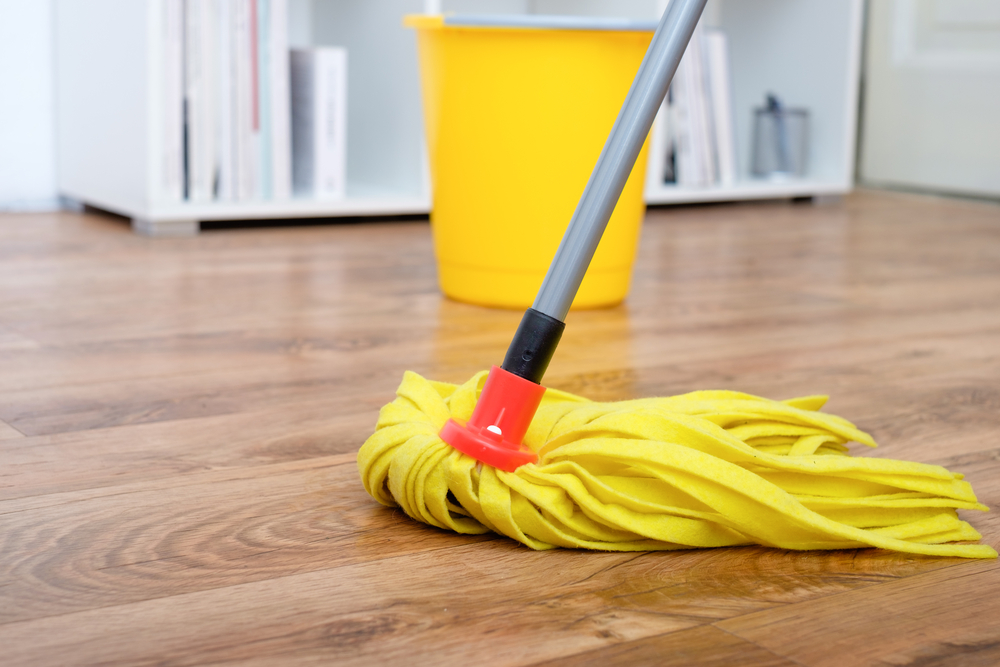
- Smart cleaning chemistry: Neutral cleaners formulated for your finish type prevent dulling residues. Avoid steam mops and harsh degreasers on timber.
- Zonal checks: Bar edges, hostess stations and server paths deserve weekly scrutiny and touch-ups.
- Micro-schedules: Daily dry dusting; damp-mop as needed; monthly deep cleans; annual or biannual buff and recoat to refresh protection before wear breaches the film.
Tiny, regular interventions beat occasional heroics—and cost less.
Budget, value and ROI
Timber replacement is costly, disruptive and often unnecessary. The economics of Restaurant Floor Sanding are compelling:
- Lower life-cycle cost: A routine of periodic sanding (infrequent) and scheduled recoats (more frequent, faster) keeps timber in play for decades.
- Revenue protection: Short, planned closures or overnight works preserve service days and cover counts.
- Brand dividends: Reviews mention “vibe” and “feel” more than you’d think. A fresh floor lifts both.
- Staff morale: Teams take pride in a sharp room—it shows in service energy and retention.
Think of it like knife sharpening: the edge is small, the difference is huge.
Common mistakes to avoid
- Chasing the cheapest quote: Hospitality floors need commercial systems, pro machines and seasoned hands. False economy shows within weeks.
- Skipping test patches: Stain colours and sheen read differently under your lights—never trust only a brochure.
- Ignoring edges and thresholds: Guests and inspectors notice these first. Budget proper detailing.
- Rushing the cure: Chairs and dollies too early can print marks you’ll see every shift.
- Aggressive cleaning: Steam and strong alkalis degrade finishes; stick to products your finisher recommends.
A miniature case study (the weeknight turnaround)
A neighbourhood bistro had developed a grey traffic path from the host desk to the pass. The rest of the floor was sound, but the glow had gone. The plan was a 48-hour refresh:
- Sunday close: Furniture out, protection up, repairs to a few loose boards.
- Sanding sequence: Coarse to fine in the main field; careful edging around banquettes; multi-disc refinement for an even scratch pattern.
- Tone adjustment: A whisper of mid-warmth stain to deepen the bar area and keep dining light.
- Finish: Two commercial sealer coats and a hard-wearing top coat in satin.
- Cure & re-open: Light foot traffic Monday evening for furniture staging with pads; service resumed Tuesday dinner.
Result: the bar looked richer, the dining room brighter, and the host’s path no longer read as a runway. Staff commented that the room felt “new” without a single change to furniture or art.
Quick buyer’s checklist
- Do you have a survey that covers timber species, previous finishes, repairs and thresholds?
- Has your contractor proposed a dust-managed plan with protection for kitchen and bar?
- Will you see on-floor samples under your actual lighting before committing to a colour and sheen?
- Is the finish system commercial grade with clear data sheets for abrasion and chemical resistance?
- Have you agreed cure windows and a recoat schedule to protect the investment?
- Do you have a maintenance plan that your team can follow in 10 minutes a day?
FAQs
How long will the room be out of action?
Depends on scope and finish. Light recoats can be turned around overnight; full refurbishments may need a short closure. The right planning avoids lost weekends.
Is it dusty?
Modern extraction gear captures the vast majority of dust. With proper containment and cleaning phases, kitchens and bars stay protected.
Will the floor be slippery?
Sheen isn’t the same as slip. Commercial systems can be specified to meet slip-resistance norms appropriate for front-of-house.
Can we change colour without replacing the floor?
Yes. Stains, toners and reactive treatments can shift mood dramatically. Always approve a sample first.
How often should we redo it?
It’s usage-dependent. Busy venues often plan a maintenance recoat every 12–24 months and a deeper refurbishment on a longer cycle. Staying ahead prevents costly downtime.
The quiet upgrade guests feel
You’ve optimised your menu, dialled in your lighting, trained your team. The next lever is beneath your guests’ feet. Floors frame the story your restaurant tells every day: they absorb the pressure, carry the traffic and set the tone. When they’re revitalised, the whole experience lifts—photographs look better, conversations sound softer, and first impressions land before the first mouthful.
If you’re ready to refresh the stage your brand performs on, speak to specialists in Restaurant Floor Sanding and turn every step into a subtle “wow”.